
Many individuals aspire to have long, healthy hair, yet achieving it can sometimes feel unachievable. Understanding the science behind hair growth and applying the right tips can make all the difference—whether you’re recovering from a bad haircut, experiencing hair loss, or simply looking to maximize your hair’s growth potential. This complete guide to hair growth shares useful, evidence-based hair growth tips and practical guidance to help you care for your hair from root to tip.
Understanding Hair Growth Tips: The Basics
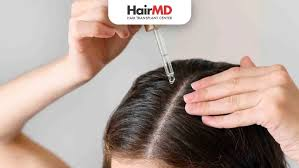
Understanding how hair grows is crucial before delving into tips and treatments. There are three distinct phases to hair growth:
Anagen (Growth period): Your hair's potential length is determined by this active growth period, which lasts for two to seven years. At any given moment, between 85 and 90 percent of your hair is in this stage.
Catagen (Transition Phase): This short transitional phase, which lasts two to three weeks, marks the end of active growth as the hair follicle starts to shrink.
Telogen, or the "resting phase," is when hair rests for two to four months before finally coming out to create room for new growth. During this stage, losing 50–100 hairs each day is quite common.
Setting reasonable expectations is made easier by being aware of these stages. The average growth rate of human hair is half an inch per month, or roughly six inches annually. Although there is no way to significantly accelerate this natural rate, you can minimise breakage that inhibits length retention and maximise growth circumstances.
Nutrition: Feed Your Hair from Within
Protein Power
Since keratin is the main protein that makes up hair, eating enough protein is essential for hair growth. Your body may ration its meagre supply of protein for more essential processes if you don't get enough, which might hinder hair growth.
Eggs, fish, lean meats, legumes, Greek yoghurt, quinoa, and almonds are among the best sources of protein. Aim for 50 grams or more of protein every day, with the amount depending on your activity level and body weight.
Essential Vitamins and Minerals
Perhaps the most well-known nutrient for hair growth, biotin (Vitamin B7) aids in the creation of keratin. Supplementing may help those with thinning hair, even though deficiencies are uncommon. Eggs, almonds, sweet potatoes, and spinach are examples of natural sources.
Iron: One of the main causes of hair loss, particularly in women, is iron deficiency. This element promotes healthy growth by assisting red blood cells in delivering oxygen to hair follicles. Incorporate lentils, spinach, lean red meat, and fortified cereals into your diet.
Vitamin D: Studies have connected alopecia and other hair loss disorders to vitamin D deficiency. Eat egg yolks, fortified dairy, and fatty fish, and get moderate sun exposure. Supplementing helps a lot of people, particularly throughout the winter.
Omega-3 Fatty Acids: These beneficial fats promote scalp health, feed hair follicles, and may even promote thicker hair. Excellent sources include flaxseeds, chia seeds, walnuts, salmon, and mackerel.
Zinc: This mineral is essential for the development and maintenance of hair tissue. Lentils, meat, oysters, and pumpkin seeds are good sources of zinc.
Vitamin E: A potent antioxidant that promotes scalp circulation and shields hair from oxidative damage. Almonds, spinach, avocados, and sunflower seeds all contain it.
Hydration Matters
Water is necessary for hair development in addition to general health. Dry, brittle hair that is prone to breaking might result from dehydration. Drink eight glasses of water or more if you live in a hot area or are an active person.
Scalp Care: The Foundation of Healthy Hair
Since hair development starts on your scalp, maintaining the health of your scalp is essential to reaching your hair objectives.
Regular Scalp Massage
Massaging the scalp improves blood circulation to the hair follicles, which can stimulate faster hair growth and increase thickness. Research suggests that even a daily scalp massage of just four minutes can, over time, lead to visibly thicker and healthier hair, making it one of the simplest and most effective tips for hair growth.
How to correctly massage: Apply light pressure in circular motions over your entire scalp using your fingertips, not your nails. This can be done while watching TV, washing, or even when using oil treatments. The secret is consistency; incorporate it into your everyday schedule.
Keep Your Scalp Clean
An ideal environment for hair growth is created by a clean scalp. Dead skin cells, excess oil, and product accumulation can clog follicles and impede growth. Depending on your lifestyle and hair type, you should wash your hair on a frequent basis. For dry hair, this could mean twice a week, and for oily scalps, everyday.
Address Scalp Conditions
Hair development can be hampered by psoriasis, seborrhoeic dermatitis, dandruff, and other scalp disorders. See a dermatologist if you experience ongoing irritation, itching, or flaking. To address these disorders, particular therapies are frequently needed.
Exfoliate Your Scalp
Similar to exfoliating your face or body, exfoliating your scalp on occasion is crucial for good hair development since it helps get rid of dead skin cells and product accumulation. To thoroughly clean the scalp, unblock hair follicles, and establish a healthy environment for stronger, faster hair development, use a mild scalp scrub once or twice a month or a chemical exfoliant that contains salicylic acid.
Hair Care Practices That Promote Hair Growth
Minimize Heat Styling
The cuticle of hair is harmed by excessive heat, which causes breaking that hinders length retention. Use the lowest effective temperature and always apply a heat protectant spray before using heat tools. Whenever possible, let your hair air dry to offer it a much-needed rest.
https://khushi.oonchadana.com/wp-admin/post.php?post=3058&action=edit
Gentle Detangling
Mechanical damage and breakage result from vigorous brushing and combing. Always begin with the ends and work your way up to the roots to gently untangle. Use a wide-tooth comb or a brush made especially to reduce breakage, such as a tangle teezer or wet brush.
Never brush dry, brittle hair; instead, detangle when the hair is damp (not drenched) and has been treated with conditioner or detangling spray.
Regular Trims
Cutting hair while trying to grow it may seem paradoxical, but frequent trims really help maintain length retention by removing split ends before they cause more serious damage along the hair shaft. Try to cut approximately a quarter to half an inch every eight to twelve weeks.
Deep Conditioning Treatments For Hair Growth
Hair breakage is decreased with weekly deep conditioning treatments that strengthen, replenish moisture, and increase suppleness. Look for treatments that contain hydrolysed proteins, keratin, argan oil, or shea butter. Use heat (such as a heated towel) to aid in the penetration of the ingredients and leave the treatment on for at least 20 minutes.
Protective Styling
Protective hairstyles like braids, twists, or buns can lessen breaking and manipulation if you have curly or textured hair. But be careful—tight styles can induce traction alopecia, a permanent loss of hair brought on by pulling.
Sleep on Silk or Satin
Cotton pillowcases produce friction, which can break and harm hair. Before going to bed, wrap your hair in a silk scarf or switch to silk or satin pillowcases. Overnight damage can be greatly decreased with this little adjustment.
Lifestyle Factors That Impact Hair Growth
Stress Management
Increased shedding can result from long-term stress forcing hair follicles into the telogen (resting) phase too soon. Hormonal changes brought on by high stress also have a detrimental effect on hair development.
Managing stress plays an important role in healthy hair growth, as high stress levels can contribute to hair fall. Regular exercise, yoga, meditation, getting enough sleep, spending time in nature, and engaging in enjoyable hobbies are effective stress-reduction techniques that support overall well-being and hair health. If stress becomes overwhelming, consulting a mental health professional can be a helpful step toward restoring balance and promoting healthier hair growth.
Quality Sleep
Quality sleep plays a vital role in healthy hair growth, as the body produces growth hormones during sleep that are essential for the formation of all cells, including hair cells. Getting seven to nine hours of restful sleep each night supports this natural process, while ongoing sleep deprivation can disrupt hair growth and eventually lead to thinning hair over time.
Avoid Smoking
Smoking reduces blood flow to the scalp, depriving hair follicles of the nutrients and oxygen they require to grow healthily. Additionally, it raises oxidative stress, which accelerates ageing and harms hair follicles.
Limit Alcohol Consumption
Drinking too much alcohol depletes minerals, including zinc and B vitamins, that are vital for hair development. It also causes your body, especially your hair, to become dehydrated. Increase your water intake and drink in moderation if you do.
Hair Growth Treatments and Products
Minoxidil (Rogaine)
It has been clinically demonstrated that this FDA-approved topical therapy promotes hair growth. It is an over-the-counter product that promotes thicker hair growth by extending the anagen phase. After three to six months of regular use, results usually start to show.
Natural Oils
Numerous natural oils have demonstrated potential for enhancing the health of hair:
Research indicates that rosemary oil may be just as successful at promoting growth as minoxidil. Apply a few drops on your scalp after mixing them with a carrier oil.
Castor oil is a popular natural remedy for hair growth, as it is rich in omega-6 fatty acids and ricinoleic acid. These nutrients help hydrate the scalp, nourish hair follicles, and may strengthen hair roots, supporting healthier and stronger hair growth over time
According to research, peppermint oil can promote the development and thickness of hair. Prior to applying essential oils to the scalp, always dilute them.
Coconut oil: Promotes length retention by penetrating the hair shaft and preventing protein loss.
Growth-Boosting Shampoos
Look for shampoos that contain saw palmetto, biotin, niacin, or caffeine (which stimulates follicles). Although shampoo by itself won't significantly boost growth, these components can improve the environment of the scalp.
Professional Treatments
Platelet-Rich Plasma (PRP) therapy is an advanced treatment for hair growth that uses your own blood platelets to stimulate hair follicles and promote new hair growth. Although it can be costly, many individuals experience favorable results, making it a popular option for those seeking effective hair growth solutions.
Low-Level Laser Therapy (LLLT): Red light is used by FDA-approved devices to stimulate follicles and encourage growth.
Scalp micropigmentation: This cosmetic procedure gives the appearance of fuller hair without encouraging development.
When to See a Professional
See a dermatologist or trichologist if you're suffering from patchy baldness, abrupt or severe hair loss, or hair loss coupled with itching or pain in your scalp. These symptoms could be signs of underlying medical diseases that need to be treated, including as thyroid issues, hormonal imbalances, or alopecia areata.
Setting Realistic Expectations
Growing healthy hair is a journey, not a race. The majority of interventions take at least three to six months to show benefits, so be patient with the process. To monitor minute changes you might miss on a daily basis, take progress pictures every month.
Keep in mind that your hair's maximal length and growth rate are mostly determined by heredity. You cannot really alter your genetic code, but you can improve the circumstances for the finest possible growth of your hair.
Conclusion
A comprehensive strategy that takes into account diet, scalp health, mild hair care techniques, and general lifestyle is needed to grow long, healthy hair. Your hair's normal growth cycle will be supported and the breakage that inhibits length retention will be reduced if you consistently use these evidence-based tactics, but no single product or method will perform wonders overnight.
Start by selecting two or three of this guide's suggestions that seem most doable for your way of living. Add other tactics gradually as these become second nature. Taking care of your hair entails taking care of yourself because it is a reflection of your general health. You can have the healthy, colourful hair you've always wanted with perseverance, consistency, and the appropriate strategy.
Your hair development journey is all your own; embrace it with reasonable expectations, acknowledge little accomplishments along the way, and never forget that healthy hair is always lovely, no matter how long it is.