

How to Improve Soil Quality For Farming: A Complete Guide for Healthy and Productive Soil
Healthy soil is the foundation of successful farming, gardening, and sustainable agriculture. Improve soil quality for farming is crucial for increased crop yields, robust plants, and long-term environmental health, regardless of whether you are an organic farmer, home gardener, or land manager.
More than just dirt, soil is a living ecosystem that includes organic matter, nutrients, microorganisms, air, and water. Productivity decreases and plants become more susceptible to pests and diseases when soil quality deteriorates as a result of misuse, chemical inputs, erosion, or inadequate management.
We will examine doable, efficient, and sustainable methods to enhance soil quality naturally in this extensive book.
tep-by-Step Guide on How to Improve Soil Quality Naturally
The term "quality of soil" describes the soil's capacity to:
- Encourage the growth of plants
- Hold onto water and nutrients.
- Encourage microbial health
- Prevent erosion
- Preserve appropriate aeration and structure.
A balanced mixture of sand, silt, and clay, as well as enough organic content, are characteristics of good soil. It should be crumbly, drain easily, and harbour beneficial microorganisms and earthworms.
1. Add Organic Matter Regularly

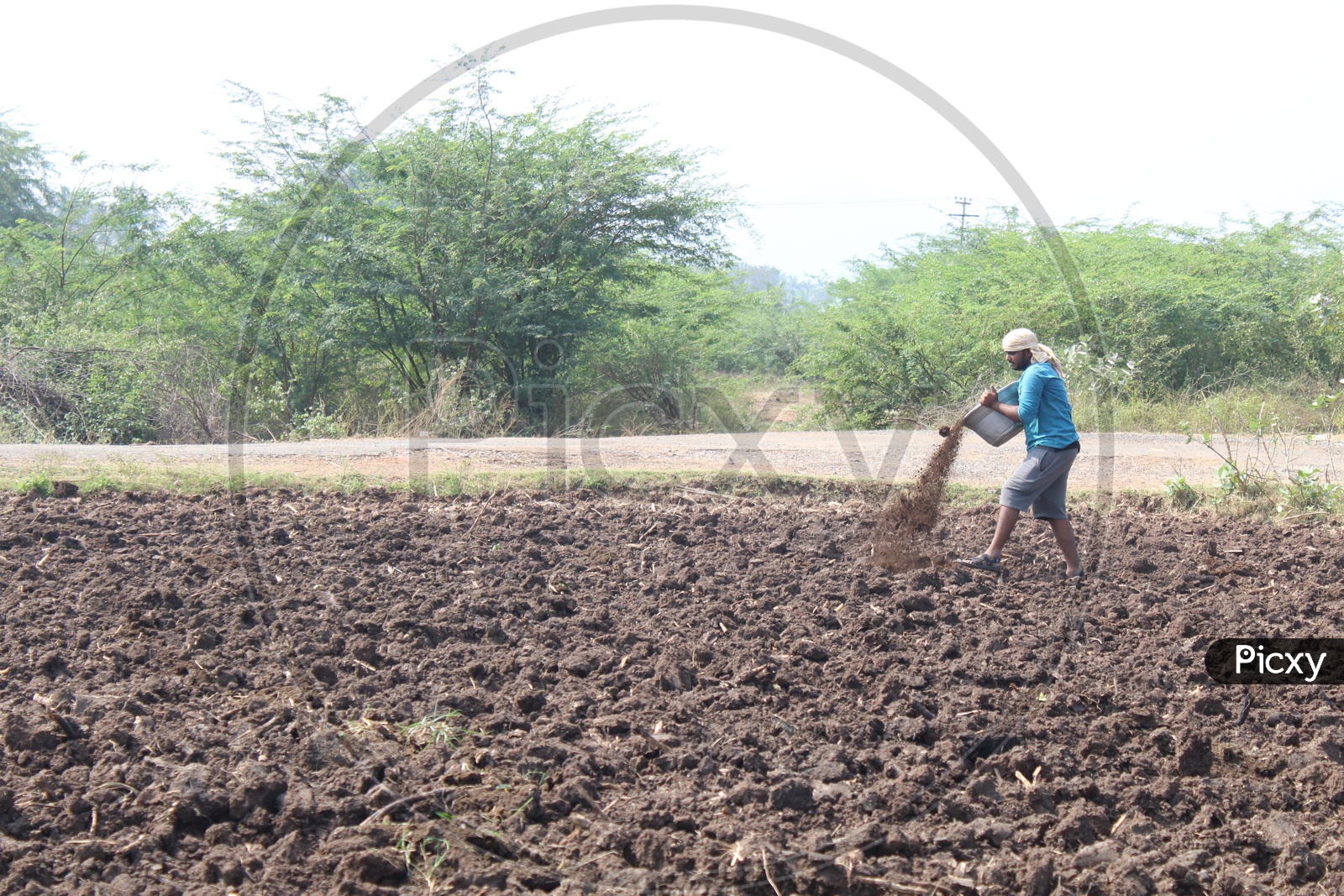

4
The most crucial component for improve soil quality is organic matter.
Why Organic soil Matter
- enhances the structure of soil
- improves the retention of water
- increases the availability of nutrients
- promotes the growth of microorganisms
- lessens the compaction of soil
What to Add:
- Compost
- Manure from farms
- Vermicompost
- Mould on leaves
- Green manure
Because it improves soil quality and structure and adds beneficial microbes, compost is particularly helpful. For optimal effects, put 2–3 inches of compost into the topsoil.
2. Practice Crop Rotation
Crop rotation lessens soil-borne illnesses and stops nitrogen depletion. Repeatedly cultivating the same crop in the same spot might deplete certain nutrients and attract pests
Example of Crop Rotation:
- eans and peas are legumes that contribute nitrogen.
- Utilise nitrogen in leafy greens.
- Soil compaction is broken by root crops.
- Improved soil benefits fruit harvests
Because they naturally fi
How To Improve Soil Quality For Farming: Conclusion
Plant health, environmental sustainability, and agricultural productivity are all influenced by the condition of the soil. Anyone may greatly improve soil health by using sustainable and natural techniques including decreasing chemical fertilisers, utilising cover crops, adding organic matter, increasing drainage, and preventing erosion.
Having healthy soil results in:
- Increased yields
- More robust crops
- Lower input expenses
- Sustainability of the environment
- Farm profitability over the long run