
Sarees for women: The Timeless Symbol of Grace, Culture, and Style

Sarees for women A tale woven into fabric, culture, and custom, is more than just a piece of clothing for women—it is a timeless symbol of grace and tradition. Worn by women across India and South Asia for generations, the new collection of Sarees for women remains one of the most exquisite and versatile garments. From everyday wear to lavish weddings, and from traditional handloom weaves to contemporary designer drapes, and continue to evolve while beautifully preserving their cultural essence.
This blog examines the history, varieties, textiles, regional designs, contemporary trends, and the beauty of sarees, as well as why they continue to be a classic fashion option for ladies of all ages.
The Origin and Cultural Importance of Sarees for women
With a history spanning more than 5,000 years, the saree is among the world's oldest garments. Ancient Indian writings and art make reference to draperies that resemble sarees. A saree is typically 5 to 9 yards of long, unstitched fabric that is draped around the body in different ways.
The saree is a cultural symbol of dignity, elegance, and femininity. It is worn at weddings, festivals, religious rituals, and other significant life events. Sarees are emotionally significant relics that are passed down from generation to generation in many households.
Why Sarees Are Still Relevant Today
Despite changing fashion trends, sarees remain popular due to their unmatched versatility. Depending on the style, a saree may look sophisticated, dazzling, powerful, or simple. Sarees continue to be popular among women of all ages, from young girls to elderly ladies, because of their comfort and style.
Modern designers have reinvented sarees to appeal to even younger audiences with new blouse designs, draping techniques, patterns, and materials.http://uroojweb.infinityfree.me/wp-admin/post.php?post=392&action=edit
Main Components of a Saree
Three key components make up a saree ensemble:
1. The Saree
the primary fabric that envelops the body. It may be extensively adorned, printed, embroidered, or plain.
2. The Blouse
Style and structure are added by the blouse. Blouses are a key component in defining the style, whether they are full-sleeved, cropped, or have a trendy halter neck.
3. The Petticoat
The petticoat, which is worn underneath the saree, keeps the shape and guarantees comfort when draping.
Popular Types of Sarees for women
Silk Sarees for women
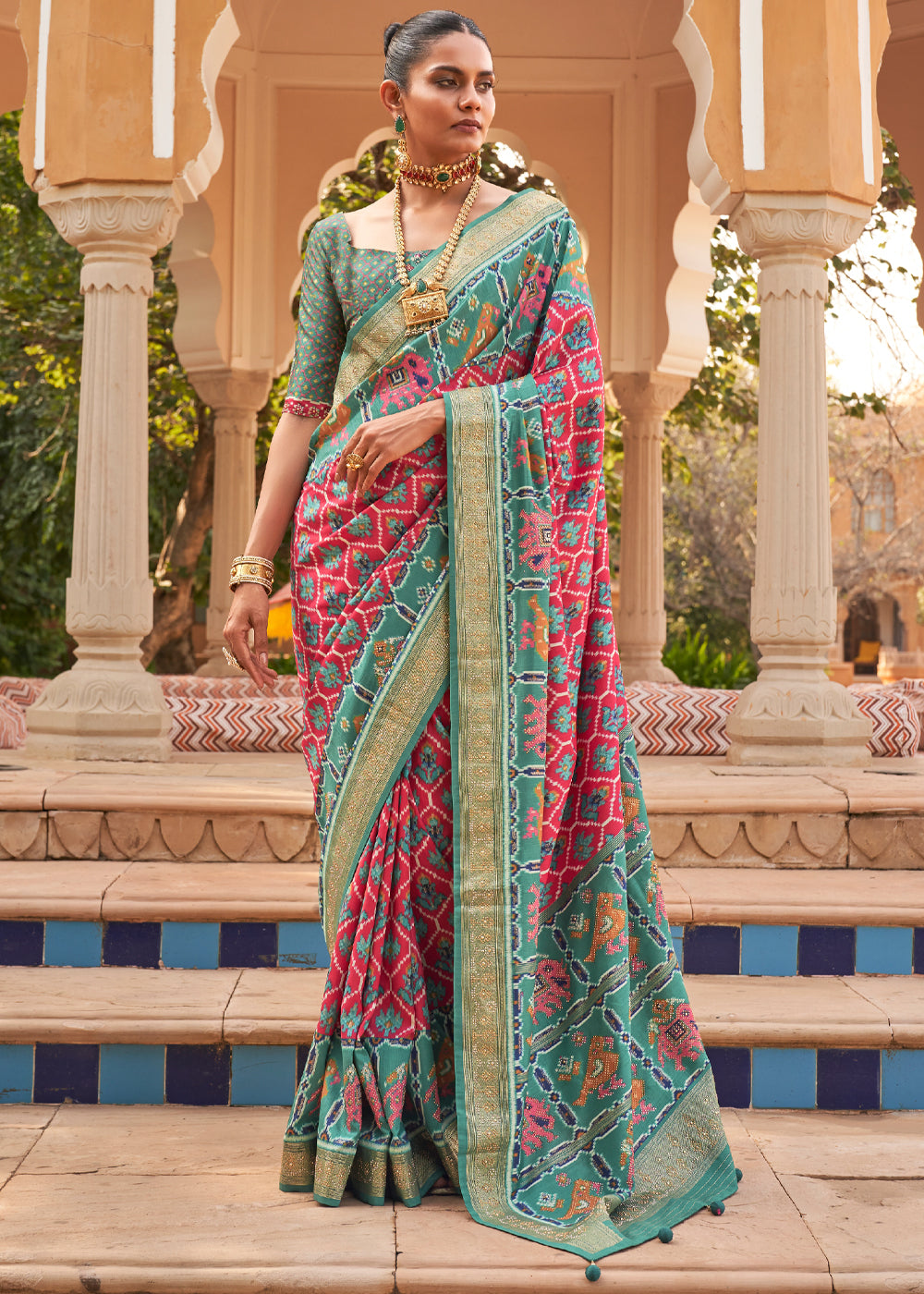
The pride of India's textile legacy is its silk sarees. They are frequently worn at weddings and other special events because of their rich texture and sheen.
Banarasi Silk Saree: renowned for its zari embroidery in gold and silver
Kanchipuram Silk Saree: renowned for its longevity and designs reminiscent of temples
Mysore Silk Saree: Elegant and lightweight sarees for women
Cotton Sarees for women

Cotton sarees are ideal for hot weather and everyday wear. They are comfy
breathable and little maintenance
Cotton Handloom Sarees for women
Cotton Chanderi sarees for women
Cotton Sarees in Bengal
Chiffon and Georgette Sarees for women

Because they are light and airy, these Sarees for women are perfect for celebrations and modern occasions. They drape beautifully and are lightweight.
Designer Sarees for women
Designer sarees blend modern style with traditional elements. These could be belts, jackets, ruffles, pre-stitched draperies, or other accents.
Printed Sarees for women
Floral, digital, block, and abstract prints make patterned sarees stylish and versatile for casual and semi-formal wear.
Regional Styles of Sarees in India
India's regional sarees exquisitely capture the country's diversity:
Uttar Pradesh's Banarasi Saree: opulent and elaborate
Maharashtra's Paithani Saree: vibrant hues and peacock designs
Rajasthani and Gujarati Bandhani Sarees: Tie-dye designs
Keralan Kasavu Saree: white with golden trim
West Bengali Baluchari Saree: Themes of storytelling
Telangana's Pochampally Saree: geometric patterns
Every regional saree is a representation of the customs, environment, and artistry of the area.
Fabrics Used in Sarees
A saree's comfort and appearance are determined by its fabric:
Silk: opulent and rich
Cotton: Breathable and soft
Linen: Stylish and contemporary
Net: opulent and joyous
Satin: Shiny and silky
Organza: Crisp texture and light weight
The occasion and the individual's comfort level determine which fabric is best.
Saree Colors and Their Significance
Colors are crucial when it comes to sarees:
Red: A representation of marriage and love
Yellow: Joyous and auspicious
Green: Harmony and prosperity
White: Simplicity and tranquility
Black: Boldness and elegance
Modern, delicate, and elegant pastels
Embroidery and Decorative Work Sarees For Women
Sarees frequently have exquisite craftsmanship, like:
Zari Work: Embroidery with gold and silver thread
Resham Work: Detailed threadwork
Mirror Work: Festive and lively
Stonework and Sequins: opulent appeal
Hand Weaving & Painting: Originality in Art
Hours of expert work and creative devotion are evident in handcrafted sarees.
How to Style a Saree Elegantly
Your appearance can be totally changed by styling a saree:
Designing a blouse: Try several styles for the back, sleeves, and necklines.
Jewelry: Wear plain sarees with heavy jewelry, and vice versa.
Shoes: Traditional juttis, sandals, or heels
Hairstyle: gentle curls, a bun, or a braid
Makeup: Strike a balance between natural and dramatic hues
When styled properly, even a basic saree may look gorgeous.
Sarees for Different Occasions
Cotton or patterned sarees for daily wear
Office attire should consist of linen, silk cotton, or simple designs.
Festivals: Vibrant hues and classic patterns sarees for women.
Wedding attire: highly embroidered sarees, silk, or banarasi
Net, chiffon, or designer sarees for parties and receptions
Every occasion can be easily accommodated by the saree.
Caring for Your Sarees
Long-lasting sarees are guaranteed with proper care:
Sarees with embroidery and dry, clean silk
Use muslin fabric to store
Steer clear of direct sunshine.
Periodically refold to avoid creases.
Zari should not be exposed to moisture.
Sarees with proper care can endure for decades.
Sarees for women in Modern Fashion
These days, belts, coats, sneakers, and unusual shirts are used to accessorize sarees. Because they are more convenient, pre-stitched and ready-to-wear sarees are becoming more and more popular. Modern ladies are increasingly choosing handloom and sustainable sarees as part of their fashion choices.
Conclusion
Women's sarees are the ideal fusion of modern and traditional styles. Like no other outfit, it honors culture, craftsmanship, and personality. The saree's beauty and adaptability are unrivaled, whether it's a silk saree for a formal event or a basic cotton saree for everyday elegance.
Sarees for women remains a powerful representation